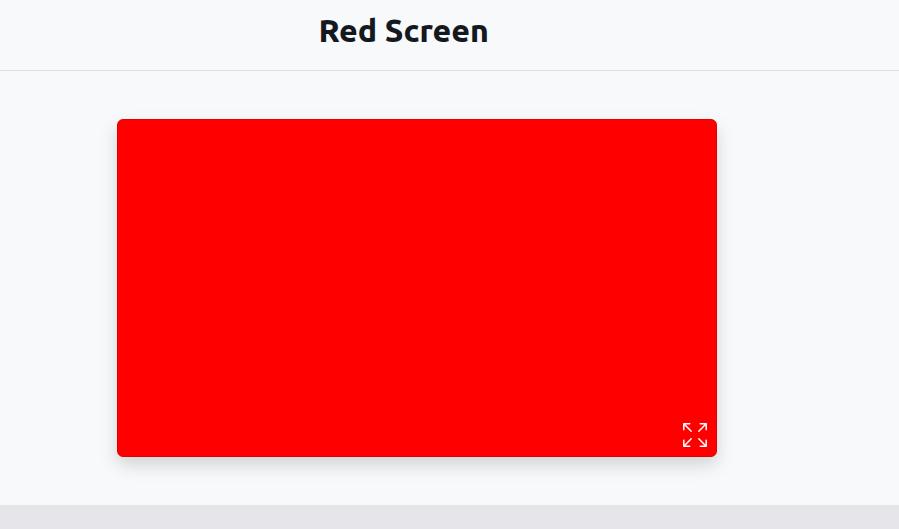
The Red Screen, often referred to as the Red Screen of Death (RSoD) – is a critical system error that causes a device’s display to turn red and become unresponsive. Though less common than the infamous Blue Screen of Death (BSoD), a red screen typically signals a severe hardware or software malfunction. It can appear on Windows PCs, Android phones, gaming consoles, and even smart TVs.
On Windows systems, the red screen may be caused by:
- Faulty graphics drivers
- Overclocked or failing GPU hardware
- Incompatible BIOS or firmware updates
- Corrupted system files
- Display-related software conflicts
When a red screen occurs, the system usually locks up completely or auto-reboots. Unlike standard crashes, RSoD doesn’t always provide readable diagnostic messages, which makes troubleshooting more difficult.
On Android devices, a red screen might indicate a hardware fault, overheating, or issues during custom ROM flashing. In extreme cases, it can mean that the device is bricked, permanently unusable without professional repair.
In other contexts, a red screen might be used intentionally in web design or testing tools to simulate alert states or test display calibration. In UI design, red often signifies warnings, critical errors, or emergency states.
💡 Common Fixes for Red Screen Errors:
- Boot into Safe Mode and roll back recent updates or drivers
- Run built-in diagnostics or system repair tools
- Update or reinstall GPU drivers
- Reset BIOS to factory settings
For Android: Wipe cache partition or perform a factory reset
Whether you encounter the red screen on a PC, phone, or app, it’s crucial to act quickly and cautiously. Ignoring red screen errors could result in data loss or permanent damage to your system.
If your goal is understanding the Red Screen phenomenon, this guide offers everything from its causes and meanings to troubleshooting solutions—helping you restore your device and avoid future problems.